Amazon Drone Noise Sparks Revolt Before 500-City Rollout
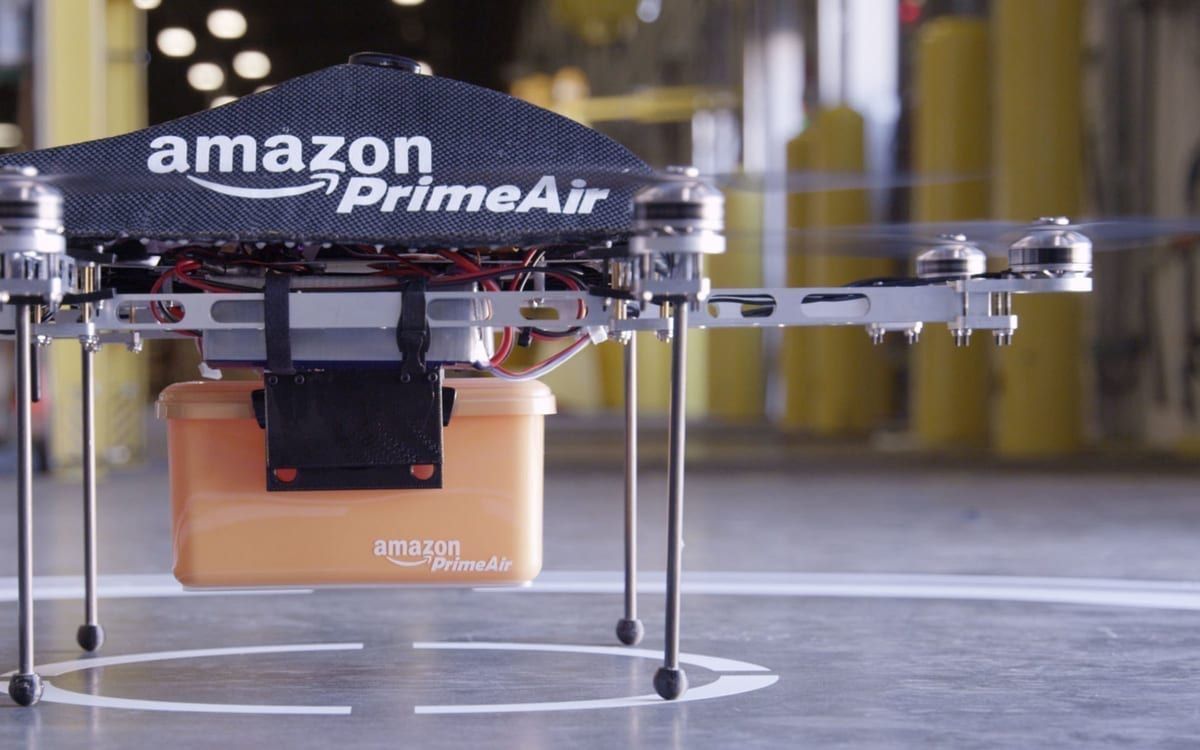
Amazon Prime Air drone deliveries are drawing renewed noise and privacy complaints from residents in Richardson, College Station, and Waco, Texas, according to reporting published September 24–25, 2026, by GeekWire and Aroged. One Richardson homeowner logged 52 drone passes over her property in a single day, and residents are organizing to pressure city officials — even though the FAA's exclusive control of US airspace leaves municipalities with no legal authority to restrict flight paths or set local noise limits.
Background: A Program Built for Speed, Not Quiet
Prime Air's MK30 drone carries packages up to 5 lb (2.3 kg) within roughly a 7.5-mile (12 km) radius, targeting delivery in under 30 minutes for a $0–$4.99 fee. Amazon has run the program in Texas the longest: College Station has hosted flights for nearly three years, and Richardson came online in December 2025.
Richardson has already been the site of Prime Air's most-publicized stumble. On February 4, 2026, an MK30 struck an apartment building with its propellers still spinning, prompting an FAA safety review. In March 2026, Amazon presented Richardson's city council with three operational fixes: raising the standard cruise altitude, rerouting outbound flights over commercial land before reaching homes, and declaring a no-fly zone over a nearby church. Six months later, residents say the buzzing hasn't stopped — it has multiplied, as Amazon works toward expanding Prime Air to nearly 500 US cities and towns by the end of 2026.
"It's Like a Beehive Up There"
Richardson resident Scott Bratcher told GeekWire the sound over his backyard is "constant — it's like a beehive up there right over our house," adding that Amazon "needs to do a lot more research" and that residents "need to have rules." Neighbor Stephanie Puri tracked 52 separate drone flights over her home on what she called a slow day. Nikki Anderson said the novelty wore off fast: "people around here, we're thinking, 'Ugh, is there anything we can do to stop this?'"
Some residents have taken to calling themselves "drone warriors," using flight-tracking apps to log overhead traffic before raising it with municipal leaders. Aroged reports similar comparisons in College Station and Waco, where residents describe the sound as "a flying lawnmower." Amazon disputes that the complaints reflect broad sentiment, telling reporters that fewer than 1% of Prime Air customer inquiries this year concerned noise, and that ground-level sound is "minimal, short-lived, and comparable to a low-speed window fan or a passing car."
Why Cities Can't Ground the Drones
US municipalities have no authority to restrict drone flight paths, altitudes, or noise levels, because the FAA holds exclusive jurisdiction over the national airspace. Richardson and its neighboring Texas suburbs can regulate zoning and where Amazon sites its ground facilities, but not what an aircraft does once it's airborne — the FAA already cleared Prime Air's operation after finding no significant environmental impact under federal review.
That split is the same one covered in PickDrones' explainer on US drone laws: airspace management is federal, full stop, which is why a homeowner annoyed by overflights has far less legal recourse than one dealing with a trespasser at ground level.
| Prime Air fact | Detail |
|---|---|
| Standard cruise altitude | 223 ft (68 m) |
| FAA ceiling for the program | 400 ft (120 m) |
| Flight window | 7 a.m. – 8 p.m. |
| Max package weight | 5 lb (2.3 kg) |
| Delivery radius | ~7.5 miles (12 km) |
| Target delivery time | Under 30 minutes |
| Active Texas sites | Richardson, College Station, Waco, San Antonio |
| Planned by Dec. 31, 2026 | Nearly 500 US cities and towns |
What This Means for Drone Pilots
The Richardson backlash is a preview of the friction any BVLOS delivery operator will face once flight volume rises from novelty to daily nuisance — regulatory approval and community acceptance are separate hurdles, and clearing the first doesn't guarantee the second. Operators scaling delivery routes should expect altitude, routing, and flight-hour restrictions to keep coming from local pressure even when cities have no formal power to impose them, since sustained complaints can still slow permitting, invite council hearings, and shape future FAA rulemaking on urban BVLOS noise.
For individual pilots and hobbyists, the underlying legal point matters too: a neighbor's drone noise complaint almost never becomes a local ordinance problem, because airspace rights sit with the federal government, not the property owner below. That principle protected Amazon in Richardson, and it applies just as much to a recreational pilot flying legally over a subdivision.
FAQ
More like this
Related Articles
Drone Pilot Guilty in CLT Runway Case: Up to 1 Year Jail
A Charlotte man faces up to a year in prison for flying a drone between two live runways at CLT — here's the federal law he broke…
Elroy Air Boosts Funding to $175M, Lockheed Backs It
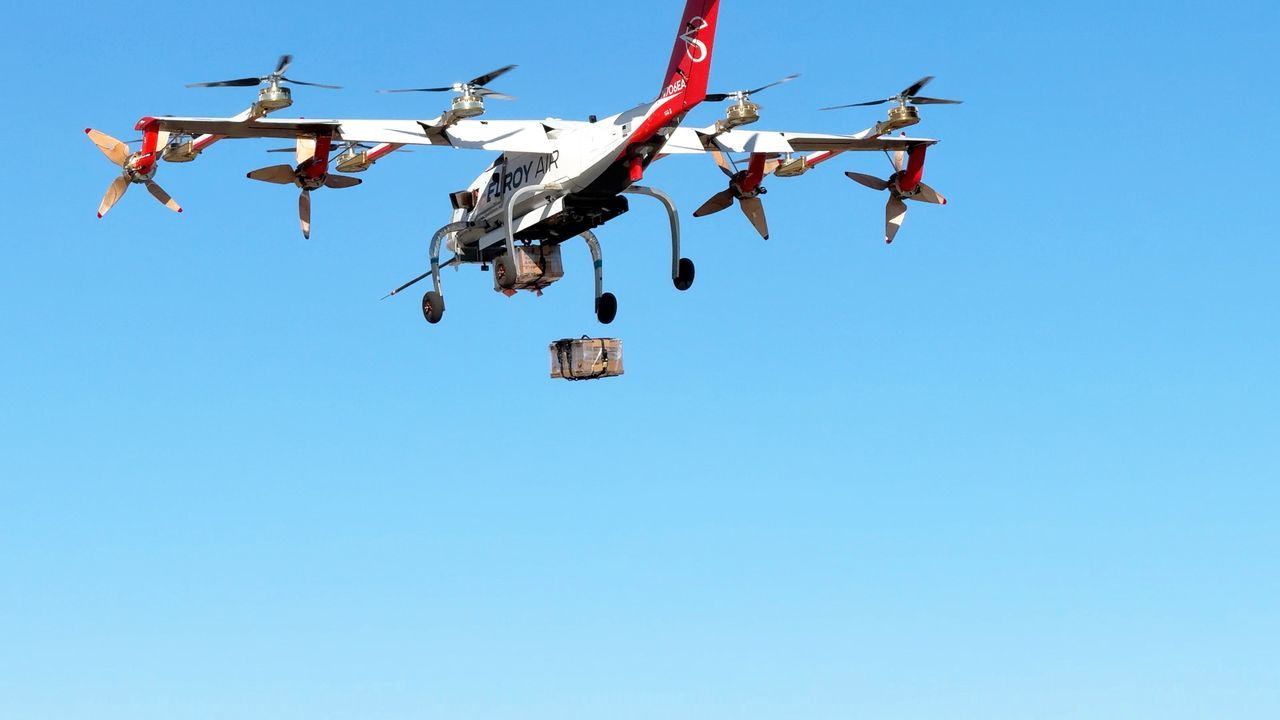
Elroy Air raised its PIPE funding to $175 million on Sept. 24, 2026, with Lockheed Martin Ventures backing the Chaparral cargo dro…
FCC's $5B Drone Investment Claim Overstates the Numbers
FCC Chairman Brendan Carr says $5B is flowing into US drone plants from the DJI/Autel ban — but records show much of it is pledges…