DARPA Lift Challenge 2026: A Helicopter Beat the Drones
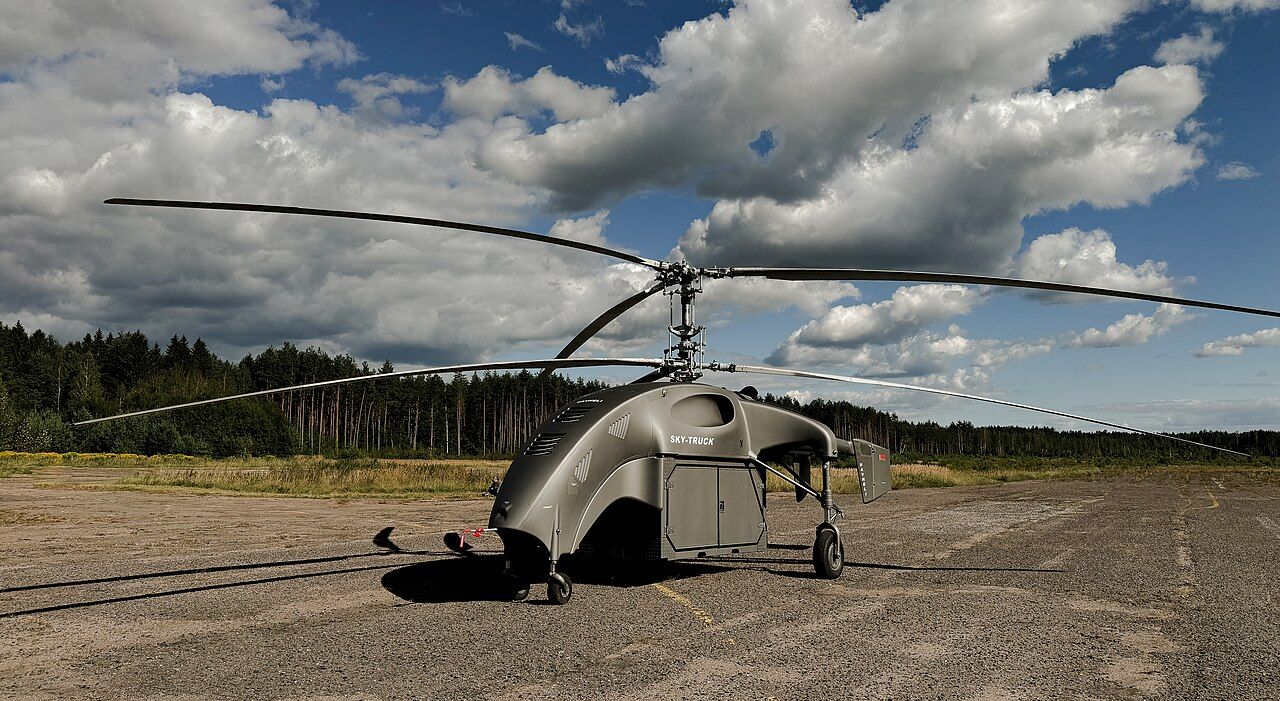
Avidrone Aerospace's Katana, an unmanned electric helicopter, won DARPA's Lift Challenge on August 9, 2026, hauling 112.4 lbs (51 kg) of cargo despite weighing just 29.3 lbs (13.3 kg) — a 3.84:1 payload-to-weight ratio. Because the result fell short of DARPA's 4:1 target, every prize on the podium was cut in half, and Avidrone collected $1.25 million instead of the advertised $2.5 million.
Background: Why DARPA Ran a Heavy-Lift Contest
The Defense Advanced Research Projects Agency (DARPA) launched the Lift Challenge to solve a problem that has quietly capped drone usefulness for a decade: most multirotor drones can barely lift their own weight in cargo, typically landing at a 1:1 payload-to-weight ratio or worse. That ceiling limits everything from battlefield resupply to disaster-relief airlifts, since heavier deliveries still require a crewed helicopter.
DARPA put up $6.5 million in prize money and asked teams to build an unmanned aircraft that could carry at least four times its own weight — a bar no fielded drone comes close to today. The response was large: 489 teams applied, 225 met the technical requirements to advance, and DARPA invited 132 of them to compete. Only 9 official scored runs were completed, by 5 finalist teams, at the National Museum of the U.S. Air Force in Dayton, Ohio, on August 9, 2026.
The Results: Objective Category
DARPA scored the main competition purely on payload-to-weight ratio during a timed course carrying cast-iron weights. None of the five finalists reached the 4:1 goal, so DARPA — as it had warned entrants in advance — paid out half of each advertised prize.
| Rank | Team | Location | Design | Ratio | Prize |
|---|---|---|---|---|---|
| 1st | Avidrone Aerospace | Columbia, Maryland | Electric helicopter | 3.84:1 | $1,250,000 |
| 2nd | MTech Operations | Sudbury, Massachusetts | — | 3.64:1 | $750,000 |
| 3rd | Xtreme Aerial Concepts | San Jose, California | — | 3.45:1 | $500,000 |
The standout detail is Avidrone's approach: a single-main-rotor helicopter design, the kind of aircraft configuration that has existed for 80 years, out-lifted every multirotor and hybrid design in the field. Defence Blog described it as "a surprisingly old-fashioned winner" in a competition many expected an exotic new airframe to dominate.
Subjective Awards: The Highest Ratio Didn't Win
DARPA also handed out three subjective prizes worth $500,000 each, judged on innovation rather than the scored course:
- Most Revolutionary Aerodynamic Design: University of Maryland Autonomous Micro Air Vehicle Team
- Most Revolutionary Powertrain Design: Portal Aircraft Company
- Most Promising Technology: DefendTex, which posted the single highest payload-to-weight ratio of the entire event — 9.63:1 — but did not complete an official scored run, so it was ineligible for the objective-category podium
DefendTex's number is a reminder that the Lift Challenge's real prize is the underlying engineering data, not just the ranking. DARPA Director Stephen Winchell told competitors, "Every single team here, you are DARPA," while program manager Phillip Smith said the point of the event was that "the innovation it sparked is now yours to unleash" — the agency's way of signaling that Lift Challenge designs, including approaches that didn't place, are meant to feed into both military and commercial heavy-lift programs.
Why a Helicopter Out-Lifted the Drones
The result runs against the industry's default assumption that adding more, smaller rotors is the way to scale up a drone's payload. In practice, how a drone's motors and rotors work explains the physics working against multirotors here: a single large rotor moves a bigger volume of air at lower velocity per unit of lift, which is more power-efficient than several small rotors pushing air faster to generate the same thrust. That efficiency gap widens as payload grows, which is exactly why Avidrone's team chose a helicopter layout over the multirotor and coaxial designs more common among today's types of drones. At the extremes needed to clear a 4:1 ratio, decades-old rotorcraft aerodynamics still out-perform newer airframes — at least for now.
What This Means for Drone Pilots
Nothing here changes the drone you fly this weekend — Lift Challenge aircraft are prototypes, not products, and none of them are certified for civil airspace. The implications are further out but real for anyone tracking where commercial drones are headed.
Heavy-lift capability is the bottleneck standing between today's small delivery and agricultural drones and genuinely useful cargo missions: disaster-relief resupply, remote-site equipment drops, and bulk agricultural payloads all need aircraft that can carry meaningfully more than their own weight. A DARPA-funded jump from the industry's typical 1:1 ratio toward 3.5–4:1 gives manufacturers of platforms like DJI's FlyCart or agricultural sprayers a technology roadmap to work from, even though military-funded prototypes usually take years to reach civilian certification.
Operators should also expect helicopter-style, single-rotor unmanned aircraft to become more common at the high-payload end of the market, alongside the multirotor and fixed-wing designs pilots already know. That's a shift in airframe, not in the rules: any future heavy-lift civil drone would still need to clear the same FAA or EASA airworthiness and operational approvals — including BVLOS authorization — that govern every other commercial drone today.
FAQ
Sources: DARPA | DroneXL | Defence Blog
More like this
Related Articles
Drone Pilot Guilty in CLT Runway Case: Up to 1 Year Jail
A Charlotte man faces up to a year in prison for flying a drone between two live runways at CLT — here's the federal law he broke…
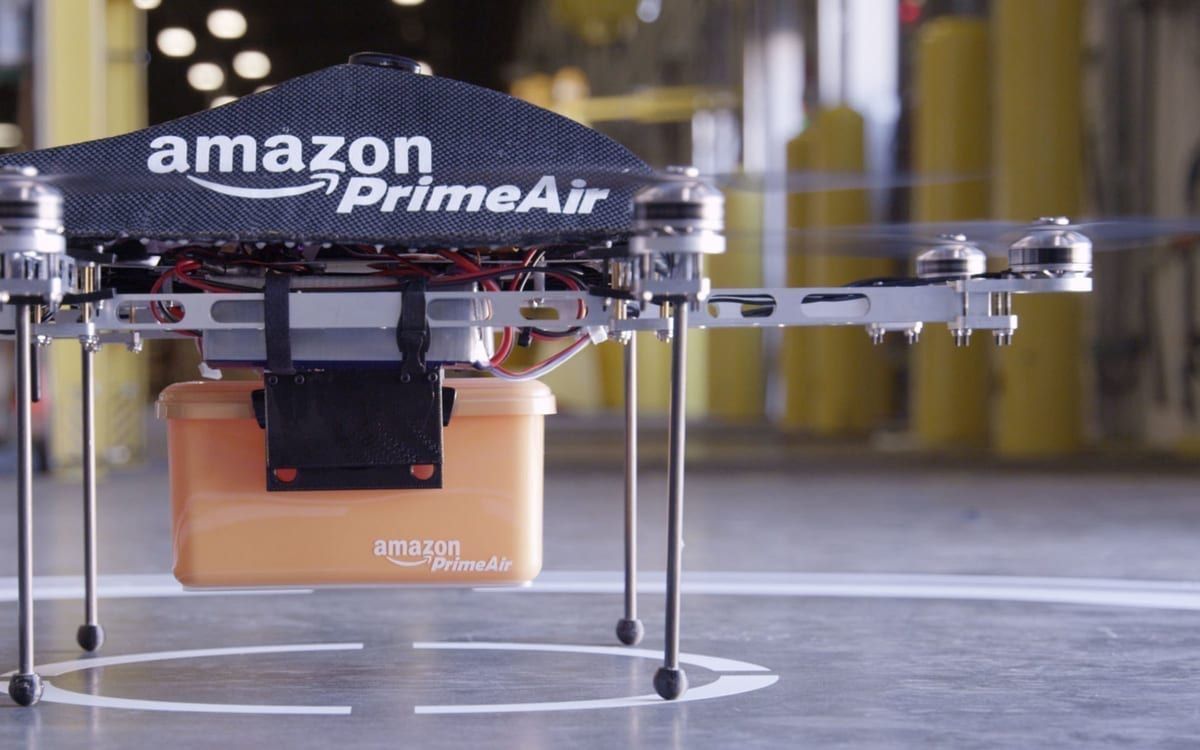
Amazon Drone Noise Sparks Revolt Before 500-City Rollout
Texas residents describe Amazon delivery drones as a flying beehive as noise complaints mount ahead of its planned 500-city US exp…
Elroy Air Boosts Funding to $175M, Lockheed Backs It
Elroy Air raised its PIPE funding to $175 million on Sept. 24, 2026, with Lockheed Martin Ventures backing the Chaparral cargo dro…