FCC Rule Bars DJI, Autel Chips From New Drones Oct. 13
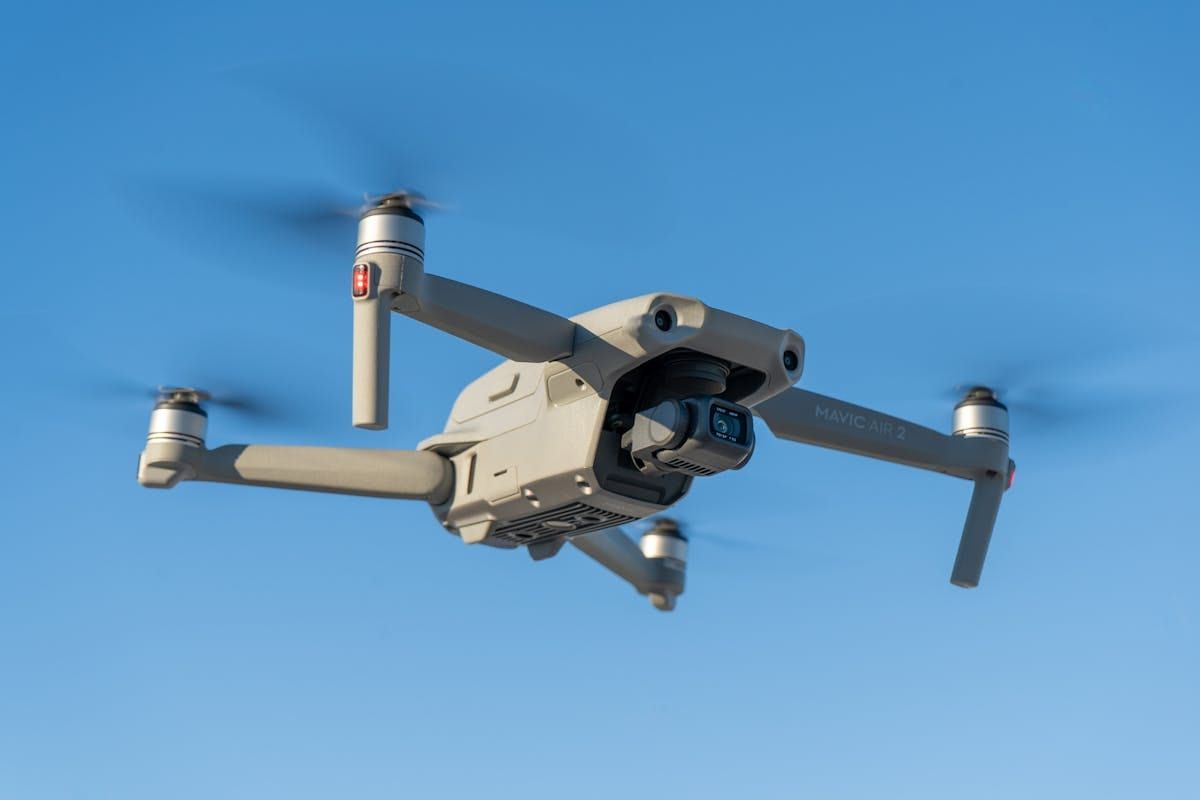
Starting October 13, 2026, the FCC will refuse to certify any newly built drone that contains a DJI- or Autel-made logic-bearing chip, according to legal analysis of the agency's Third Report and Order published by DroneXL on September 21, 2026. The rule applies even to drones that otherwise meet the 65% US-made-parts threshold, because DJI and Autel are named individually on the FCC's Covered List — not just as part of the broader, production-location UAS listing that carries a carve-out.
Background: One Rule, Two Readings
The FCC's Third Report and Order — ET Docket No. 21-232, FCC 26-50 — reached the Federal Register on September 11, 2026, and takes legal effect October 13. It bars new equipment authorizations (the FCC certification every radio-transmitting device needs to be legally sold in the US) for products built around a logic-bearing component from a Covered List supplier — defined in the order as any chip, module, or sub-assembly generating digital timing signals above 9,000 cycles per second.
When the order first reached the Federal Register, PickDrones reported that uncrewed aircraft were exempt from the new component ban, based on language carving out UAS added to the Covered List on a production-location basis in December 2025. That carve-out is real, but it is narrower than it first appeared.
Why DJI and Autel Fall Outside the Carve-Out
The production-location exemption protects drones swept onto the Covered List simply because they were made in a covered country. It does not extend to components from a supplier that is independently named on the Covered List as a company — and DJI and Autel have both held that individual listing since 2022, well before the blanket UAS category existed.
The practical result: a US-assembled drone can clear the 65% domestic-value Buy American threshold, hold Blue UAS Cleared List status, and still fail certification if a single flight controller, radio module, camera board, or gimbal controller inside it was produced by DJI or Autel. Housings, fasteners, resistors, and battery cells fall outside the "logic-bearing" definition and are unaffected.
This is the first FCC drone rule that examines what chip sits inside an airframe rather than where the airframe itself was assembled — a distinction manufacturers sourcing components from Chinese suppliers will need to audit down to the bill of materials, not just the final assembly line.
What Doesn't Change
Two limits keep the disruption narrower than a blanket ban:
- Existing authorizations are untouched. A drone already certified — including current DJI and Autel consumer models sold in the US — keeps that certification and can still be marketed, imported, and flown.
- Pending applications are grandfathered as of October 13, unless the applicant later amends the filing to add or substitute a logic-bearing part, which resets it under the stricter standard.
The rule also does not touch the FCC's separate, still-pending proposal to ban imports of "military-grade" foreign drones under PS Docket No. 26-189 — a proceeding that closed comments on September 2, 2026 with 98.6% opposition and has not been adopted.
What This Means for Drone Pilots
If you fly a DJI or Autel drone you already own, nothing changes on October 13 — no existing aircraft loses its authorization under this order. The impact lands on US and allied manufacturers trying to get new models certified: any company building a "Made in USA" drone around a DJI- or Autel-sourced chip to hit price or availability targets now has to re-source that part before filing, or accept the application will be rejected.
Buyers researching whether a specific drone is affected should check our complete guide to DJI's drone lineup for which product families are already certified, and our explainer on whether DJI is banned in the US for the broader legal status of the company's US sales. Enforcement currently relies on the applicant's own attestation that no covered chip is present — the FCC has not yet mandated a disclosed bill of materials — so expect scrutiny of self-certified "Buy American" drones to increase as the agency's Enforcement Bureau looks for front companies, a pattern already seen in its revocation of Odyssey Robot's authorization in August 2026.
FAQ
Sources: DroneXL | FCC Third Report and Order (FCC 26-50) | FCC Covered List
More like this
Related Articles
Drone Pilot Guilty in CLT Runway Case: Up to 1 Year Jail
A Charlotte man faces up to a year in prison for flying a drone between two live runways at CLT — here's the federal law he broke…
Amazon Drone Noise Sparks Revolt Before 500-City Rollout
Texas residents describe Amazon delivery drones as a flying beehive as noise complaints mount ahead of its planned 500-city US exp…
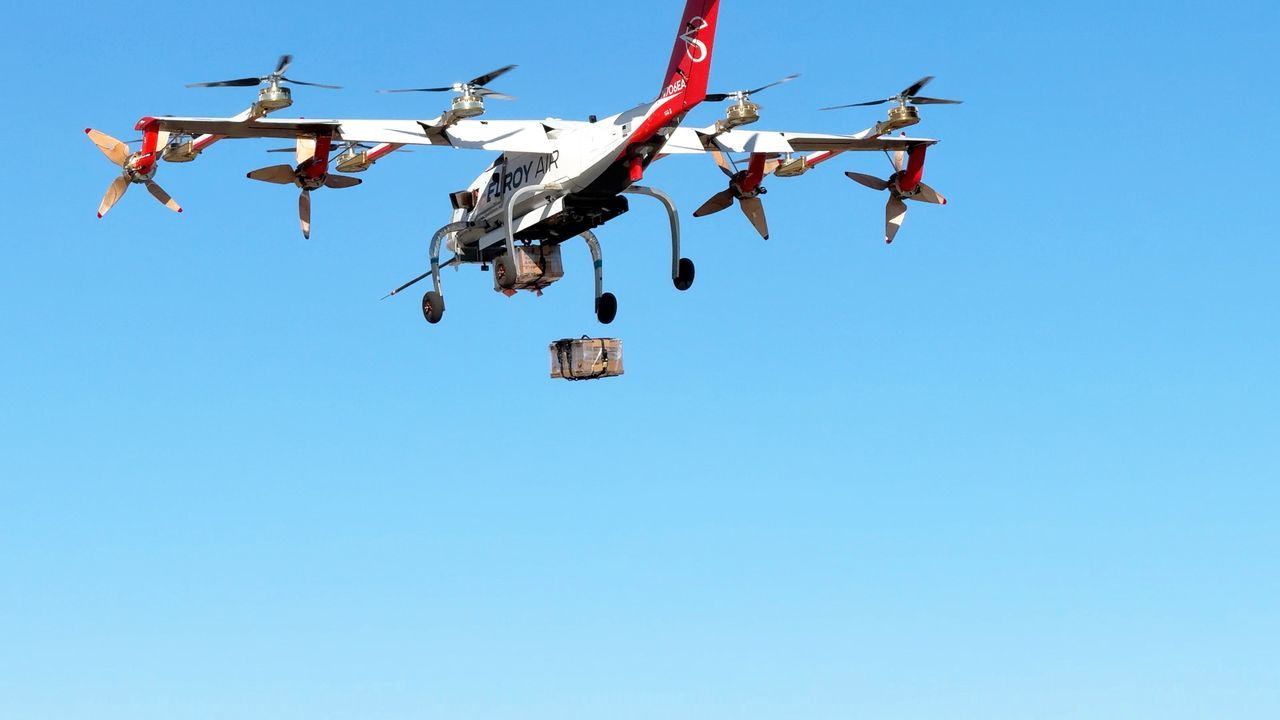
Elroy Air Boosts Funding to $175M, Lockheed Backs It
Elroy Air raised its PIPE funding to $175 million on Sept. 24, 2026, with Lockheed Martin Ventures backing the Chaparral cargo dro…