OSIRIS AI UEB-1
OSIRIS UEB-1: Ukrainian AI-powered drone interceptor, 315 km/h, 3.1 kg and 18 km range. Full specs and analysis of the drone hunter.
Full Specifications
| Weight | 3.1 kg |
| Flight Time | +10 min |
| Max Speed | 315 km/h |
| Max Range | 18 km (line of sight) |
| Wind Resistance | N/A |
| Dimensions | 370 × 370 × 550 mm |
| Payload | 0.5 kg (warhead) |
| Wingspan | N/A |
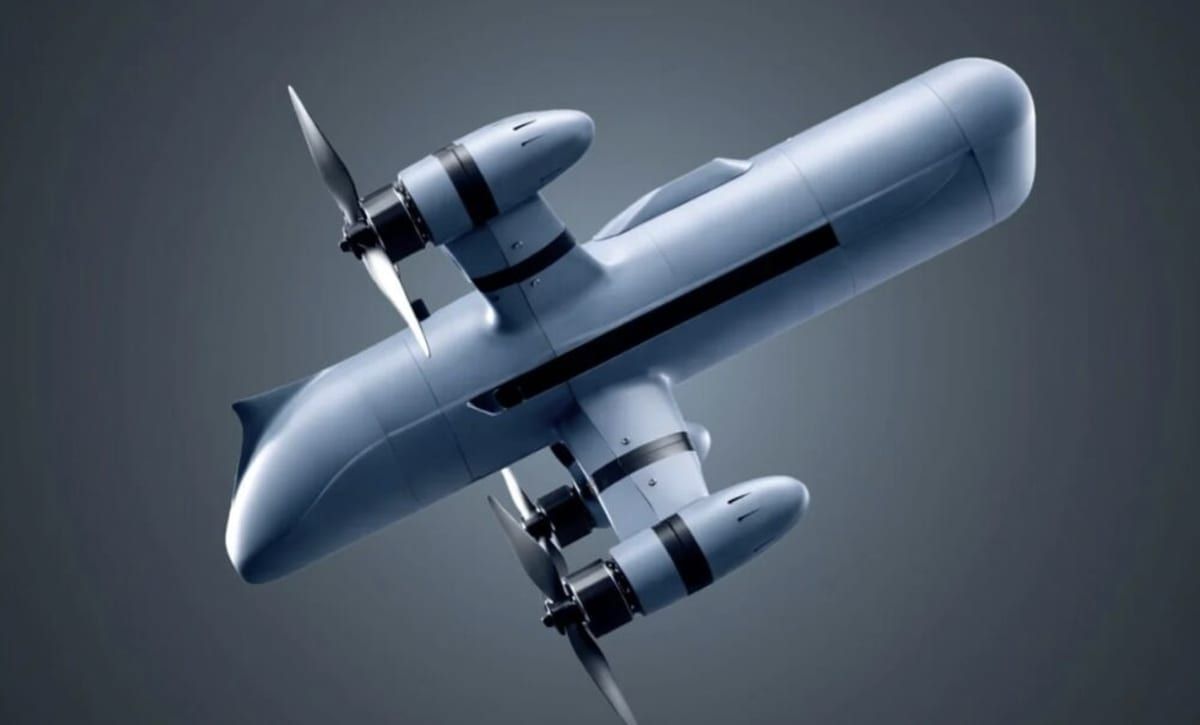
The OSIRIS UEB-1 is a drone interceptor developed by Ukrainian startup OSIRIS AI, officially presented at the Xponential Europe 2026 trade show in Düsseldorf, Germany. With a maximum speed of 315 km/h and a weight of just 3.1 kg, the UEB-1 was designed to pursue and neutralize other drones in flight using onboard artificial intelligence. It is OSIRIS AI's first hardware product; the company previously operated exclusively in software (DroneOS platform).
AI-Powered Interception System
The UEB-1's differentiator from FPV drones adapted for combat is its onboard software. The AI system calculates the target's projected trajectory in real time and autonomously adjusts the interceptor's course to achieve direct impact. All processing occurs onboard, without dependence on an external data link.
In practice, the operator designates the target and the drone assumes autonomous pursuit. The camera transmits analog video at 5.8 GHz with minimal latency, with a low-light camera option for nighttime operations.
Design Philosophy
The UEB-1 reflects a fundamental shift in counter-drone strategy: instead of expensive interceptor missiles or large electronic warfare systems, use a purpose-built autonomous drone that costs a fraction of what it destroys. At an estimated unit cost significantly below $50,000, the UEB-1 compares favorably to the economics of destroying drone swarms with conventional air defense.
Context: The Counter-Drone Problem
The proliferation of inexpensive drones (Shahed-136s at $20,000–50,000 each, commercial FPV drones modified for attack at under $1,000) has created a fundamental mismatch between attacker economics and defender economics in conventional air defense. A Patriot missile fired at a $1,000 FPV drone is a $3 million loss in a war of economic attrition.
The UEB-1 attempts to close this gap: an autonomous drone interceptor that can be produced and deployed at scale, matching the attacker's economic model. Whether the AI interception system is robust enough for real-world deployment against maneuvering targets remains to be demonstrated in operational conditions.
Sources: Xponential Europe 2026, OSIRIS AI presentation | OSIRIS AI press release