Skydio Dock Tops 1,070 Deployments in Just One Year
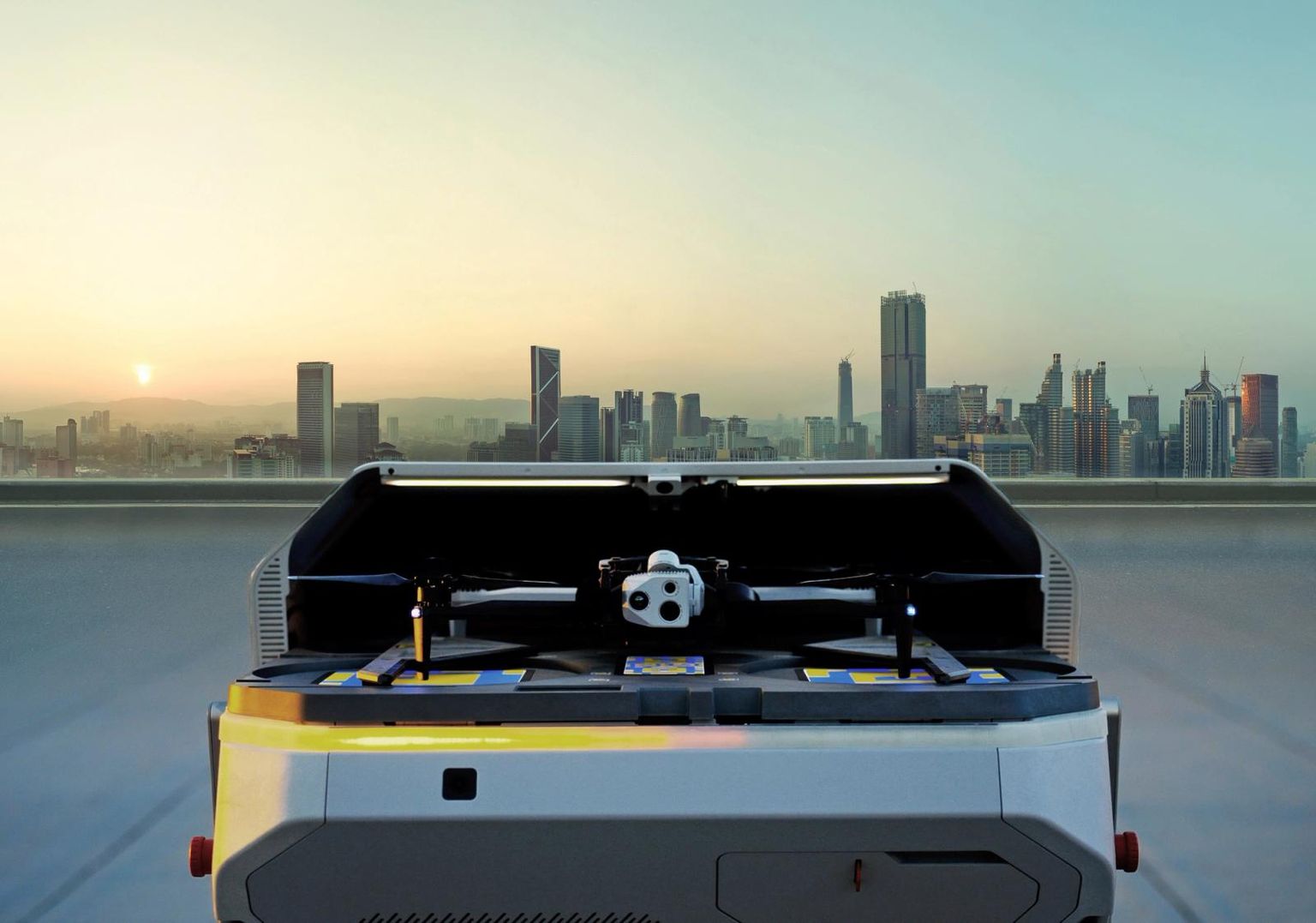
Skydio announced on July 7, 2026 that its autonomous Dock system has passed 1,070 installations across three countries just one year after the Dock for X10 became commercially available. Customers have logged more than 4 million flights through the docks, spanning public safety, critical infrastructure, and defense programs.
Each Dock is a weatherproof enclosure that houses, charges, and launches a Skydio X10 drone automatically, without a pilot physically present. A remote operator authorizes the flight from an operations center that can be miles away, and the drone returns to the dock on its own to recharge for the next call.
Background: Why Drone-in-a-Box Took Off
A drone-in-a-box system pairs a fixed, weatherproof dock with a drone that lives inside it between missions, launching and landing without anyone on-site to hand-fly it. That model underlies DFR (Drone as First Responder), the practice of dispatching a docked drone the moment a 911 call comes in so it can reach the scene and stream live video before patrol officers arrive — giving responders situational awareness without replacing them on the ground.
DFR programs have spread through US police and fire departments over the past several years, but Skydio's milestone shows how far the underlying hardware has scaled in a single year of commercial availability. Reaching more than 1,000 field deployments moves autonomous dock infrastructure from scattered pilot programs into what Skydio describes as routine operations for paying customers.
Skydio is not the only company chasing this market. DJI, Brinc, and a handful of smaller vendors all sell competing dock-and-drone packages, and public agencies increasingly write DFR capability into procurement requirements rather than treating it as an optional add-on. A published deployment count in the thousands gives Skydio a marketing edge in that competition, since it answers the question every buyer asks before signing a multi-year contract: has anyone else actually run this at scale, and for how long?
The Milestone by the Numbers
| Metric | Figure |
|---|---|
| Dock installations | 1,070 |
| Countries with active deployments | 3 (US, Japan, South Africa) |
| Customer flights logged | 4,000,000+ |
| Time since Dock for X10 launched | About 1 year |
| US Air Forces Central contract value | $9 million |
According to DroneDJ and The Drone Girl, Skydio claims the rollout marks the largest deployment of an autonomous robotic flight system doing repeatable commercial and government work in the US to date. The company frames the number as proof that dock-based operations have moved past the trial stage most drone-in-a-box vendors are still stuck in.
Where the Docks Are Deployed
The 1,070 installations span a mix of use cases rather than one dominant customer type:
- Public safety — Departments including the El Paso Police Department mount docks on precinct rooftops for DFR missions: searching for missing people, streaming live situational awareness during active calls, and spotting fire hotspots to reduce risk to firefighters.
- Private security — South Africa's Fidelity Security Group uses docks to monitor mining sites and industrial parks, one of the deployments behind the multi-country count.
- Critical infrastructure — Utilities use docks for automated power-line and substation checks, cutting the need to send a crew to walk a route. Our guide to drone inspection covers how autonomous inspection flights compare with traditional manual surveys.
- Defense — US Air Forces Central awarded Skydio a $9 million contract to secure airbases in the Middle East, using docked drones for perimeter surveillance and intelligence, surveillance, and reconnaissance work.
- International expansion — Skydio Dock for X10 reached general availability in Japan through partnerships with KDDI Corporation and NTT Docomo, the deployment that pushed the program past its home US market.
A single remote operator can oversee more than one dock's missions at a time from a shared command interface, which is central to the economics DFR programs pitch to city budgets: fewer dedicated pilots per drone in the field.
What This Means for Drone Pilots
For hobbyist and most commercial pilots, Skydio's milestone changes nothing about day-to-day flying. The impact lands squarely on public-safety agencies, utilities, and security contractors evaluating whether to move from manually piloted drones to autonomous dock infrastructure — Skydio's number gives procurement officers a reference case that the model works at scale rather than in a single pilot city.
The milestone also lands while regulators are still working out the rules that would let docked drones fly truly unsupervised over longer distances. Most DFR missions today stay within visual range of a nearby operator or use limited waivers; broader autonomous coverage depends on BVLOS (Beyond Visual Line of Sight) authority that the FAA has not yet finalized in the US, even after opening a rulemaking process in 2025. As BVLOS frameworks mature in the US, EU, and elsewhere, expect dock counts like Skydio's to keep climbing — and expect competitors to publish their own deployment numbers to keep pace.
FAQ
Sources: DroneDJ | The Drone Girl
More like this
Related Articles
Drone Pilot Guilty in CLT Runway Case: Up to 1 Year Jail
A Charlotte man faces up to a year in prison for flying a drone between two live runways at CLT — here's the federal law he broke…
Amazon Drone Noise Sparks Revolt Before 500-City Rollout
Texas residents describe Amazon delivery drones as a flying beehive as noise complaints mount ahead of its planned 500-city US exp…
Elroy Air Boosts Funding to $175M, Lockheed Backs It
Elroy Air raised its PIPE funding to $175 million on Sept. 24, 2026, with Lockheed Martin Ventures backing the Chaparral cargo dro…