Drone Pilot Guilty in CLT Runway Case: Up to 1 Year Jail
Marco Antonio Ochoa, 50, pleaded guilty on September 24, 2026, to a federal charge of unsafe operation of an unmanned aircraft after flying a drone for 7 minutes between two active runways at Charlotte Douglas International Airport (CLT) in March. He faces up to one year in prison and a $100,000 fine under 18 U.S.C. § 39B, a statute rarely used against a drone operator until now, according to the U.S. Attorney's Office for the Western District of North Carolina.
Background: A Statute Built for This Exact Flight
18 U.S.C. § 39B, added to federal law in 2018, criminalizes knowingly or recklessly interfering with a crewed aircraft, and separately makes it a federal crime to operate a drone without authorization inside a runway exclusion zone — the buffer of airspace that extends 1 statute mile past each runway end and a half-mile wide on either side, regardless of altitude. Unlike routine FAA civil penalties, which top out at fines, a § 39B conviction carries prison time because Congress classified the offense as a threat to aircraft carrying passengers, not just an airspace paperwork violation.
Ochoa launched his drone from the Airport Overlook, a public viewing park at CLT that sits between runways 1L-19R and 1R-19L, according to DroneXL. He flew between 32 and 100 feet for about 7 minutes while shooting video for a social media client — both runways were active at the time.
How the Flight Was Caught
CLT's airport-based drone-detection system flagged the aircraft the moment it entered the exclusion zone, and Federal Air Marshals tracked it in real time until it landed. The FBI and the Federal Air Marshal Service opened a joint investigation, seized the drone, and referred the case for federal prosecution — the same detection-and-response pipeline airports increasingly use for unauthorized drone incursions near active runways.
"Flying drones is a fun activity but can be dangerous if flown in prohibited areas," U.S. Attorney Russ Ferguson said, according to AVweb. "That's why it's important for operators to be familiar with any flight restrictions and permit requirements before launching drones."
Ochoa's sentencing date has not yet been set. His guilty plea resolves the criminal case but leaves the maximum one-year prison term and $100,000 fine on the table until a judge rules.
What This Means for Drone Pilots
This case sets a real, prosecuted precedent: § 39B has now produced an actual guilty plea, not just a statute on the books. Any pilot — hobbyist or Part 107-certified — who launches inside a runway exclusion zone without authorization is exposed to federal criminal charges, not just an FAA civil fine, even if the flight itself causes no collision or near-miss.
Two practical takeaways apply everywhere, not just at CLT:
- Check restricted airspace before every flight. PickDrones' guide to drone no-fly zones covers how to verify airport buffers, TFRs, and national park restrictions using B4UFLY and LAANC before you take off.
- A public overlook or park inside airport property is not automatically legal to fly from. Proximity to a fence or a "scenic view" sign doesn't override federal exclusion-zone boundaries.
Commercial operators should also note that a criminal conviction under § 39B can jeopardize a Part 107 remote pilot certificate, since the FAA can pursue certificate action independently of, and in addition to, a federal criminal case.
Outside the US, most aviation authorities — EASA, the UK CAA, and Australia's CASA among them — enforce comparable runway-proximity bans, typically as civil rather than criminal matters. The CLT case is a reminder that US law now treats a drone flight between live runways as seriously as interfering with a crewed aircraft.
FAQ
Sources: U.S. Attorney's Office, Western District of North Carolina | DroneXL | AVweb
More like this
Related Articles
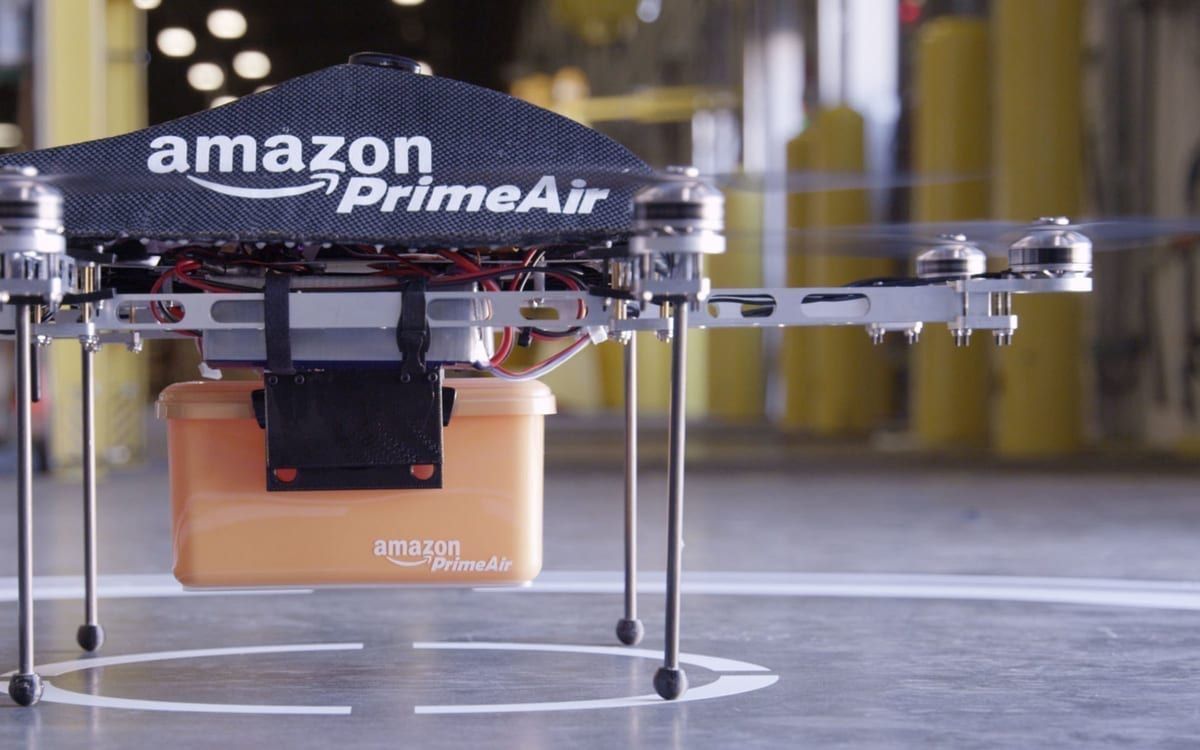
Amazon Drone Noise Sparks Revolt Before 500-City Rollout
Texas residents describe Amazon delivery drones as a flying beehive as noise complaints mount ahead of its planned 500-city US exp…
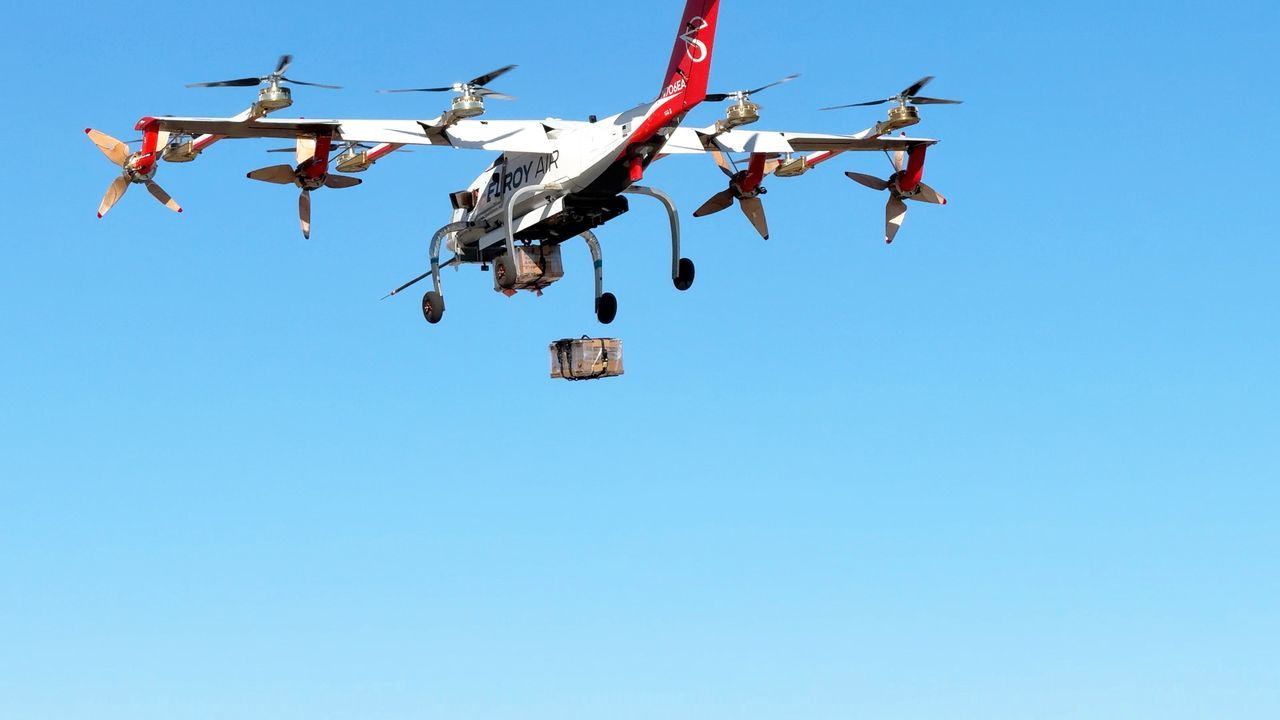
Elroy Air Boosts Funding to $175M, Lockheed Backs It
Elroy Air raised its PIPE funding to $175 million on Sept. 24, 2026, with Lockheed Martin Ventures backing the Chaparral cargo dro…
FCC's $5B Drone Investment Claim Overstates the Numbers
FCC Chairman Brendan Carr says $5B is flowing into US drone plants from the DJI/Autel ban — but records show much of it is pledges…