Drone Battery Guide: Lifespan, LiPo Care & Best Picks

The most common complaint from new drone owners is always the same: "the battery dies too fast." And they're right: 30 minutes of flight time feels short when you're excited about your new equipment. But that time can be maximized, and the battery's lifespan, which normally lasts between 200 and 400 charge cycles, can be preserved with some simple habits.
This guide explains how drone batteries work, what drains charge faster, and what you can do to fly longer and preserve your battery pack for years.
Quick answer: most consumer drones offer between 25 and 40 minutes of flight per battery. In practice, expect 20 to 30% less than the manufacturer's advertised number.
Real-World vs. Advertised Flight Times
Manufacturers publish their numbers under controlled conditions, which rarely corresponds to what happens in the field.
| Model | Official Flight Time | Real-World Estimate |
|---|---|---|
| DJI Tello | 13 min | ~10 min |
| DJI Neo | 18 min | ~14–16 min |
| DJI Mini 2 SE | 38 min | ~28–32 min |
| DJI Mini 4 Pro | 34 min | ~25–28 min |
| DJI Mini 3 | 38 min | ~28–33 min |
| DJI Air 3 | 46 min | ~35–40 min |
| DJI Air 3S | 42 min | ~33–36 min |
| DJI Avata 2 | 23 min | ~18–20 min |
| DJI Mavic 3 Pro | 43 min | ~33–36 min |
| DJI Inspire 3 | 28 min | ~22–24 min |
| DJI Agras T50 (agricultural) | 22 min | ~15–18 min (with payload) |
Real-world estimates under normal flight with light wind and active camera. Adverse conditions (cold, strong wind, maneuvers) reduce these further.
Why the gap between manufacturer specs and reality? Manufacturer tests are conducted in flat, constant-speed flight with no wind, no camera recording, and often no payload. In real life, takeoff, maneuvers, headwinds, active camera, and cold temperatures all consume more energy.
What Is a LiPo Battery and Why Drones Use It
Virtually all modern drones use LiPo (Lithium-Polymer) batteries. The choice isn't accidental: the technology offers the best ratio of energy density to weight, exactly what a flying device needs.
A LiPo battery stores energy in cells operating between 3.0V (empty) and 4.2V (full) per cell. The total battery voltage is the sum of these cells: a "3S" pack (3 cells in series) ranges from 9.0V to 12.6V. When you see the spec "4S 5000mAh LiPo" on an aerial photography drone, you're reading: 4 cells in series, 5,000 milliampere-hour capacity.
The difference from common lithium-ion batteries (like those in phones) lies in the internal structure. The polymer electrolyte allows flat, flexible form factors that fit in any space, perfect for drone compartments that maximize every millimeter.
The downside: LiPos are more sensitive to incorrect charging, improper storage, and physical damage than conventional batteries. Mistreated, beyond losing capacity faster, they can swell or catch fire, the "ballooning" you never want to see in your drone.
8 Tips to Fly Longer on the Same Battery
1. Fly in the Slowest Mode Possible
Energy consumption grows non-linearly with speed. Flying in Normal mode (instead of Sport) and at moderate speeds can increase endurance by 20 to 30%. The energy cost of hovering stationary is lower than flying at high speed into the wind.
2. Reduce Payload to the Minimum Necessary
Every extra gram the drone carries requires more motor force to maintain altitude. Remove accessories you won't use: if you don't need an ND filter, don't mount one. Every gram matters.
3. Avoid Flying Into Strong Wind
Flying into headwinds forces the motors to constantly compensate for external thrust. A 20 mph wind can reduce endurance by up to 40%. On windy days, plan your flight to go against the wind at the start (with a full battery) and return downwind (with a lower battery).
4. Keep the Battery Warm
LiPo loses capacity in the cold. Below 59°F (15°C), endurance visibly drops. In cold weather, keep the battery in your jacket pocket before use and fly the first few minutes at low altitude to warm it up before demanding full performance. DJI drones display a "low battery temperature" warning when temperature falls below the ideal threshold.
5. Update Firmware Regularly
Firmware updates frequently include energy management optimizations for motors and ESCs. Keeping firmware updated ensures you're running the most efficient algorithms available for your model.
6. Reduce Video Recording Resolution When Not Needed
Cameras recording at 4K/60fps consume more energy than 4K/30fps or 2.7K. If the goal of the flight is photography rather than video, set the camera to lower resolution or disable recording during positioning flights.
7. Monitor Battery Percentage, Not Time Remaining
The time remaining indicator shown in the app is an estimate based on current consumption, and it changes as you fly. Percentage is more reliable. The practical rule: start returning when the battery reaches 30%. At 20%, the drone initiates automatic landing.
8. Use Genuine or Certified Compatible Batteries
Generic third-party batteries often have real capacity below what's advertised and less robust safety protections. The savings on purchase can cost you in reduced endurance, shorter cycle life, and in the worst case, in-flight failures.
How to Store Batteries Correctly
Incorrect storage is the primary cause of premature LiPo degradation, far more than heavy use.
Golden rule: never store a battery fully charged or fully discharged. The ideal is to store between 40% and 60% charge, called the "storage level." DJI batteries have an automatic storage mode: if left unused for 10 days, they self-discharge to the ideal level.
Storage temperature: store in a cool, dry location, between 72°F and 82°F (22°C–28°C). Avoid car trunks exposed to sun (which can reach 140°F+), drawers near heat sources, and humid locations.
Storage container: LiPo batteries should be kept in fireproof LiPo Safe Bags. In the event of a catastrophic failure, the bag contains the fire and prevents it from spreading.
Charge before extended storage: if you won't fly for more than 3 weeks, discharge the batteries to storage level before putting them away. Storing fully charged "for later" accelerates degradation.
Signs Your Battery Needs Replacing
LiPos have a defined lifespan, typically between 200 and 400 full charge cycles. But degradation happens gradually, and some signs indicate it's time for replacement:
Swelling: if the battery looks thicker or shows bulging, stop using it immediately. A swollen battery is a fire hazard and must not be charged.
Dramatically reduced endurance: if a battery that previously lasted 30 minutes now only delivers 15–18 minutes with the same usage patterns, it has lost significant capacity.
Abnormal heating during charging: LiPos warm slightly during charging, but excessive heat indicates a cell problem.
App errors: apps like DJI Fly display battery health and alert you when replacement is needed or when cells are unbalanced.
Disposing of LiPo batteries isn't simple: they shouldn't go in regular trash. Look for electronics collection points or specialty stores that accept used batteries for proper disposal.
How Many Batteries Do You Need?
For recreational use and learning, 2 batteries are sufficient for a flight session. You fly with one while the other charges, and in 45 to 90 minutes you're ready for more.
For photography or video at specific locations where charging logistics are challenging, 3 to 4 batteries guarantee a full afternoon of work.
For professional drone users working in agriculture, real estate, or commercial photography, kits with 6 to 10 batteries and multi-unit chargers are standard equipment.
FAQ
Sources: DJI: Battery Safety Guidelines | FAA: Lithium Battery Safety
More like this
Related Articles
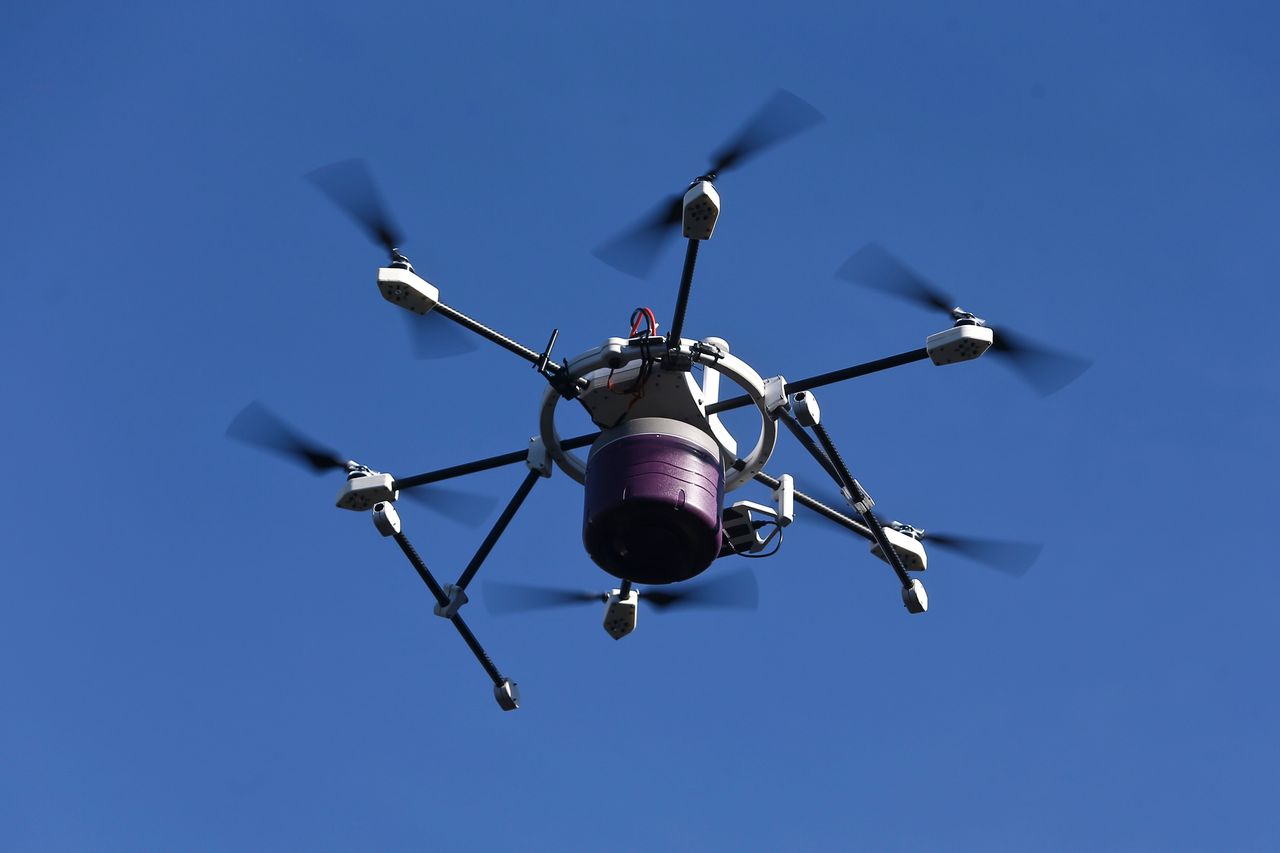
Drone Delivery in 2026: How It Works, Cost & Coverage
Drone delivery in 2026: how Amazon, Wing, Zipline, and DoorDash actually work, what deliveries cost, and how to check if the servi…
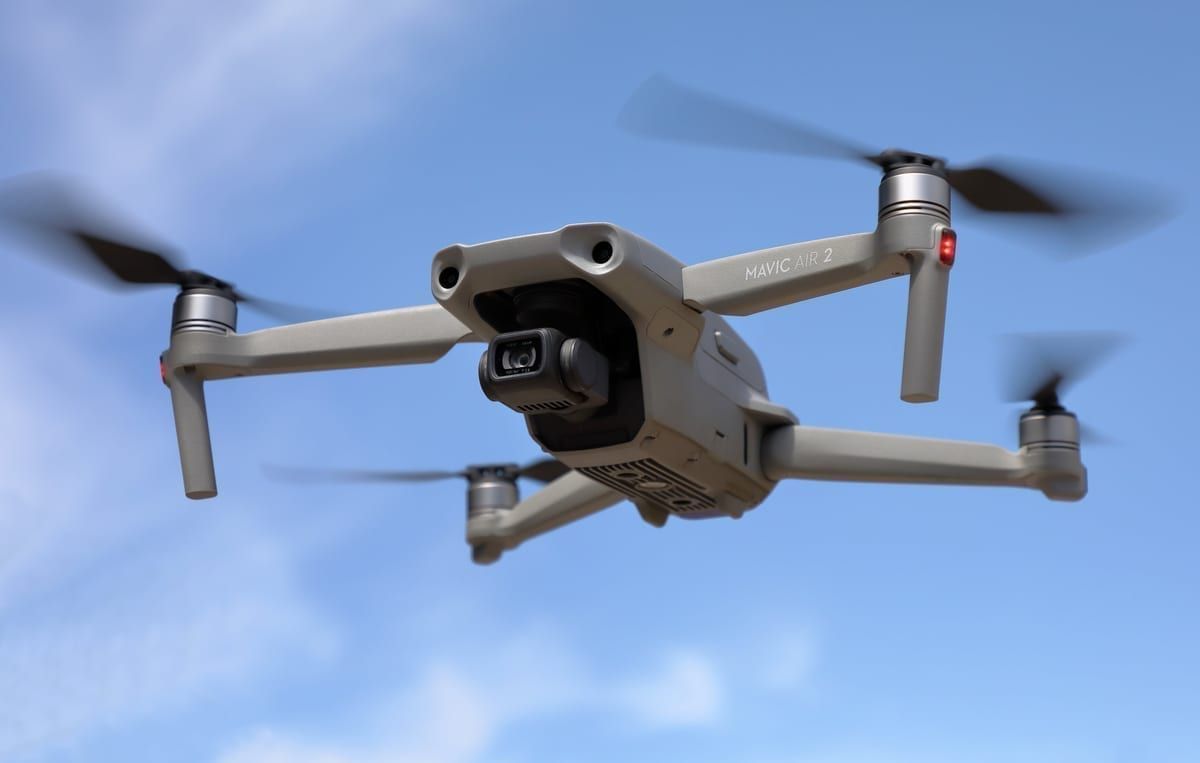
Is DJI Banned in the US? 2026 Status, Rules and FAQ
DJI isn't fully banned in the US, but new models can't get FCC approval. Here's exactly what's restricted, what's still legal, and…
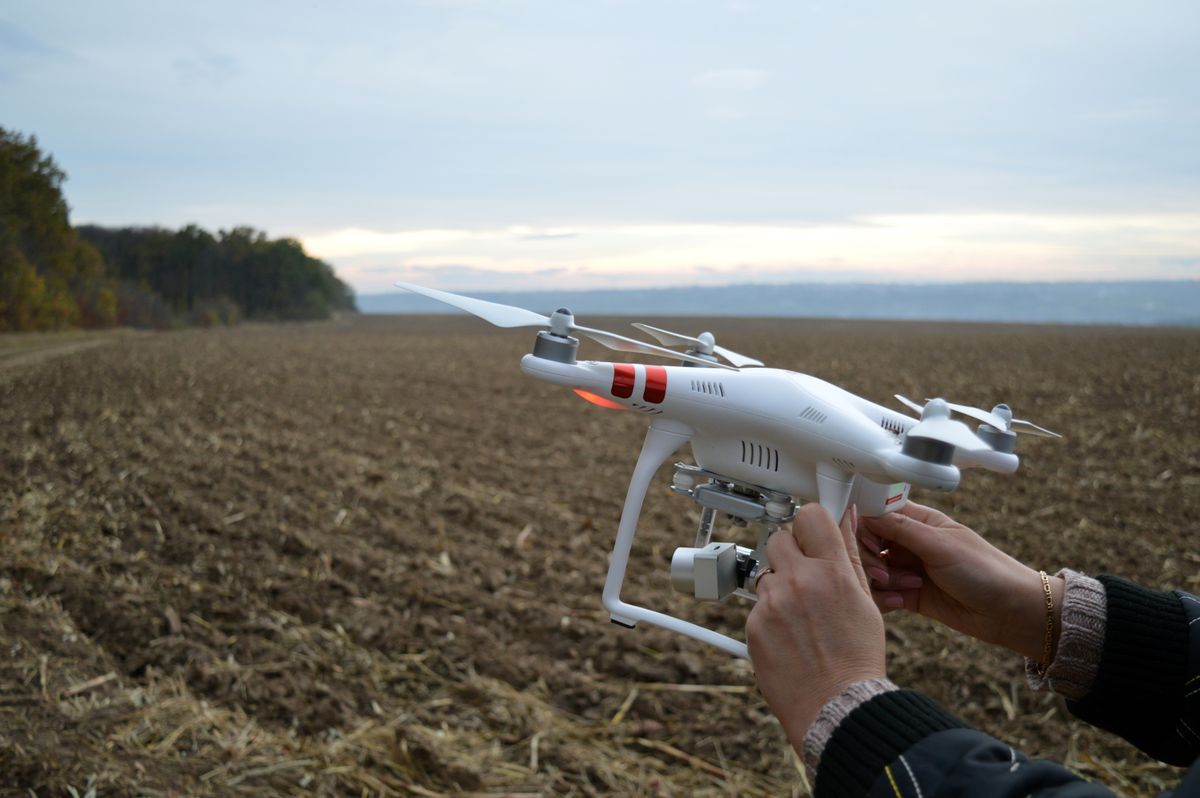
Drone Pilot Career: Salary, Jobs & Licensing in 2026
US drone pilots earn $47,000-$137,000 in 2026 depending on sector. See real salary data, the industries hiring, licensing costs, a…