Drone Buying Guide 2026: How to Choose the Right Drone

Buying your first drone is one of those decisions that seems simple and quickly becomes complicated. There are dozens of models, technical specs that sound like another language, and prices ranging from $100 to $15,000. The good news: for 90% of people starting out, the right choice is found in a small, well-defined group of equipment.
This guide walks through everything you need to know before buying a drone in 2026: budget tiers, key specifications, what actually matters versus what's marketing, and how to avoid the most common purchasing mistakes.
Why Buy a Drone?
Drones offer a perspective that was reserved for helicopter pilots just 15 years ago. They let you photograph weddings from above, document travel destinations from angles impossible on foot, monitor agricultural land, inspect rooftops and structures, or simply experience the joy of piloting a capable aircraft. The barrier to entry dropped dramatically: a drone with genuinely impressive video quality now costs under $400.
Beyond recreation, drones represent professional tools in aerial photography, real estate, construction inspection, agriculture, search and rescue, and journalism. Understanding which category you're buying for is the first and most important question.
The Three Questions That Determine Your Choice
Before looking at specific models, answer these questions that will define your choice.
1. What will you use it for? Photography and personal video have different requirements from someone who wants to fly for sport. Those planning paid work need to think about certification and regulations from the start. Someone wanting to race FPV needs a completely different type of drone than someone wanting cinematic footage.
2. Where will you mainly fly? Living in an apartment and traveling with the drone requires something compact and light. Someone with open rural space can trade portability for more camera and endurance. Urban flyers need to be more mindful of restricted airspace zones.
3. What is your real budget? The drone is just the beginning. Extra batteries, transport case, ND filters, and a fast memory card easily add 30–50% to the equipment cost. Plan with that margin. A $500 drone effectively becomes $700–750 with the basics.
Understanding Drone Weight Classes
Drone weight is one of the most important specifications to understand before buying, not for performance reasons, but for regulatory ones.
In most countries, there are stricter registration, insurance, and operational requirements for heavier drones:
- Under 250g (0.55 lbs): lightest registration requirements, most permissive operating conditions in most countries
- 250g–500g: typically requires registration; some additional operational restrictions
- Over 500g: full registration mandatory in most jurisdictions; commercial operations require certification
The DJI Mini line (Mini 2 SE, Mini 4 Pro) stays at exactly 249g, deliberately designed to stay under this threshold. This isn't accidental: it's one of the most important purchasing considerations for casual flyers.
Budget Tiers: What You Get at Each Price Point
Entry Level: $150–$400
What you get: basic GPS, camera capable of 2K or basic 4K, 20–30 minute flight time, limited obstacle avoidance (often none).
Best for: first-time flyers who want to learn the basics before committing more money. Good for casual photography where Instagram quality is sufficient.
Key trade-offs: no obstacle avoidance means crashing is a real risk while learning. Camera quality and stabilization are noticeably below mid-range options.
Representative model: DJI Mini 2 SE, Holy Stone HS720E
Mid-Range: $400–$800
What you get: genuine 4K video, good gimbal stabilization, obstacle avoidance in at least forward/backward directions, 30–40 minute flight time, better wind resistance.
Best for: serious recreational pilots, content creators, travel photographers who want good results without professional-level investment.
Key trade-offs: sensors are still smaller than prosumer options; low-light performance and dynamic range won't match higher-tier models.
Representative model: DJI Mini 4 Pro (most popular recommendation in this range)
Prosumer: $800–$2,000
What you get: large sensors (1/1.3" or larger), multiple cameras or zoom capabilities, omnidirectional obstacle avoidance, advanced intelligent flight modes, longer range, professional-grade video profiles.
Best for: professional photographers and videographers, real estate, serious content creators, anyone where image quality directly impacts revenue.
Key trade-offs: price jump is significant; heavier drones in this tier have more regulatory requirements. Overkill for casual use.
Representative model: DJI Air 3, DJI Air 3S
Professional: $2,000+
What you get: the largest sensors (up to full-frame), highest video quality, RTK GPS for precision mapping, extended range, modular payloads, enterprise-grade reliability.
Best for: commercial cinematography, precision mapping, industrial inspection, enterprise operations.
Key trade-offs: requires certification in most countries for commercial use; significant ongoing costs for maintenance and batteries.
Representative models: DJI Mavic 3 Pro, DJI Phantom 4 RTK, DJI Matrice 350 RTK
Key Specifications Explained
Sensor size: bigger is better for image quality. A 1/1.3" sensor captures more light than a 1/2.3" sensor, producing cleaner images in low light and greater dynamic range. This specification matters more than megapixel count.
Obstacle avoidance: how many directions the drone can detect obstacles. Forward-only is useful but limited. Omnidirectional (all directions) is the gold standard. No obstacle avoidance means you're entirely responsible for not crashing.
Flight time: always expect 20–30% less than advertised. Manufacturer specs are measured in ideal, windless conditions with no camera recording. Real-world use involves wind, maneuvers, and active recording.
Range: the maximum control distance. For most recreational flying, anything over 4 km (2.5 miles) is more range than you'll ever practically use, since visual line-of-sight rules cap practical range for most users anyway.
Transmission system: newer systems (like DJI's O4) provide more stable video feed at distance. This matters if you fly far or in areas with radio interference.
Wind resistance: expressed in speed or level. Level 5 (about 25 mph / 40 km/h) is adequate for most recreational flying. Level 7 (38 mph) covers most challenging conditions.
Brand Considerations
DJI dominates the consumer and prosumer market with over 70% global share. The reason is concrete: build quality, software maturity, comprehensive app ecosystem, broad accessory availability, and strong customer support. For most buyers, DJI is the default-correct choice.
Autel Robotics is the strongest DJI alternative, with comparable specs on models like the EVO Nano+ and EVO Lite+. Autel doesn't geo-fence flight zones like DJI does (a significant difference for some users), and their customer service has improved significantly.
Skydio dominates obstacle avoidance technology, and their drones are genuinely more capable at autonomous navigation through complex environments than DJI models. Primarily popular with enterprise and government customers in the US.
Budget brands (Holy Stone, Potensic, etc.) are useful for learning whether you like drones before committing to a quality unit. Don't expect DJI-level build quality or camera results.
What to Buy Together with the Drone
A solid starter kit includes:
- Extra battery (or kit of 3): the average 30–38 minute endurance disappears fast. Two batteries double your flight time at minimal additional skill cost.
- Fast microSD card: Class 10 / U3 / V30 minimum for 4K video without dropped frames. SanDisk Extreme or Kingston Canvas are reliable options.
- Hard transport case: the drone travels better and you're less likely to break the gimbal (the most expensive component to replace).
- ND filters: for video with natural exposure in bright sunlight. A basic kit (ND4, ND8, ND16) handles most situations.
What to Avoid
Buying based on specs alone: a drone with impressive numbers on paper can have poor flight characteristics, unreliable software, or inadequate support. Read user reviews, watch YouTube tests, and check forums.
Ignoring regulatory requirements: check what your local aviation authority requires for the model you're considering before purchasing, not after.
Going too cheap on batteries: generic third-party batteries often have real capacity below advertised and less robust safety protections. The savings aren't worth reduced flight time and potential in-flight failures.
Skipping the tutorial flights: even experienced tech users benefit from DJI's built-in tutorial modes. The drone isn't free. Learn its behavior in low-risk situations before attempting complex shots.
FAQ
Sources: DJI: Product Lineup | FAA: Drone Registration
More like this
Related Articles
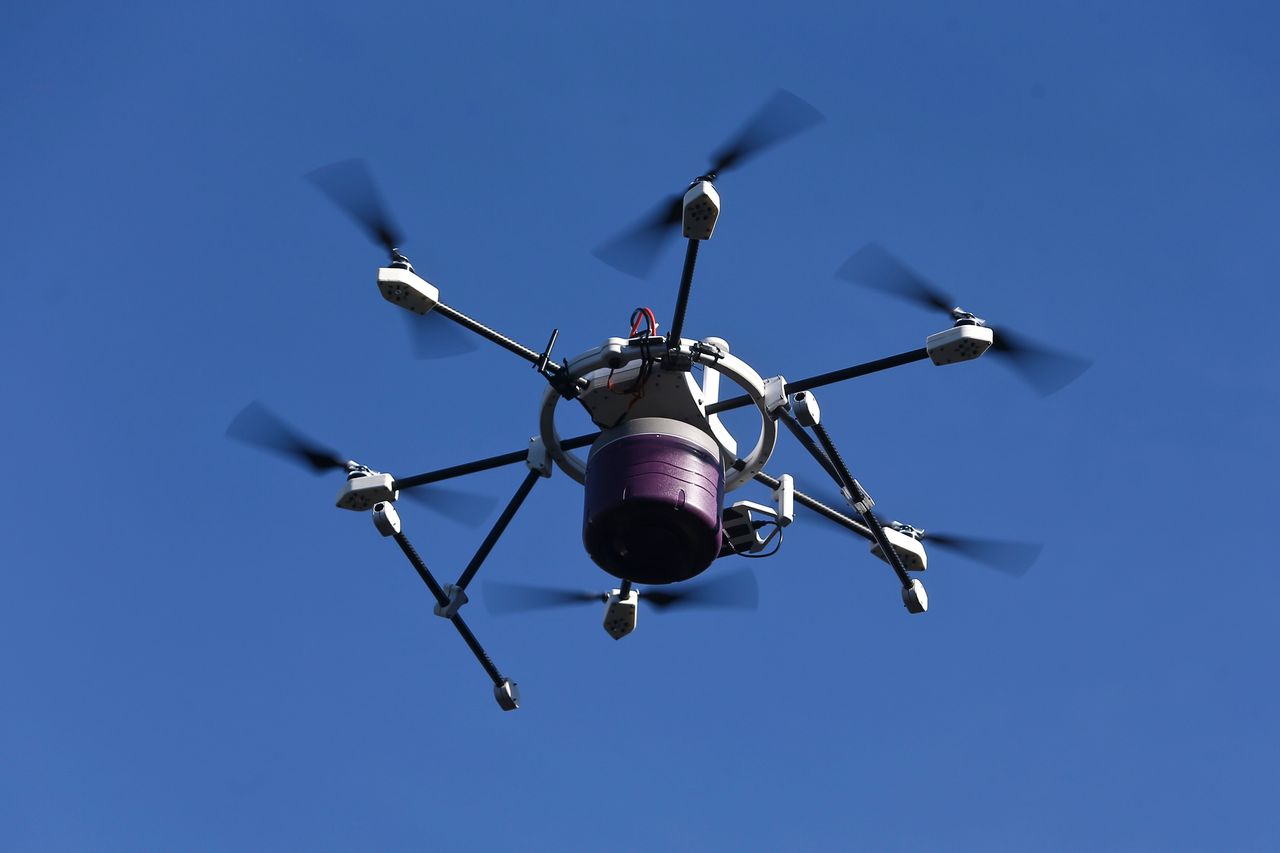
Drone Delivery in 2026: How It Works, Cost & Coverage
Drone delivery in 2026: how Amazon, Wing, Zipline, and DoorDash actually work, what deliveries cost, and how to check if the servi…
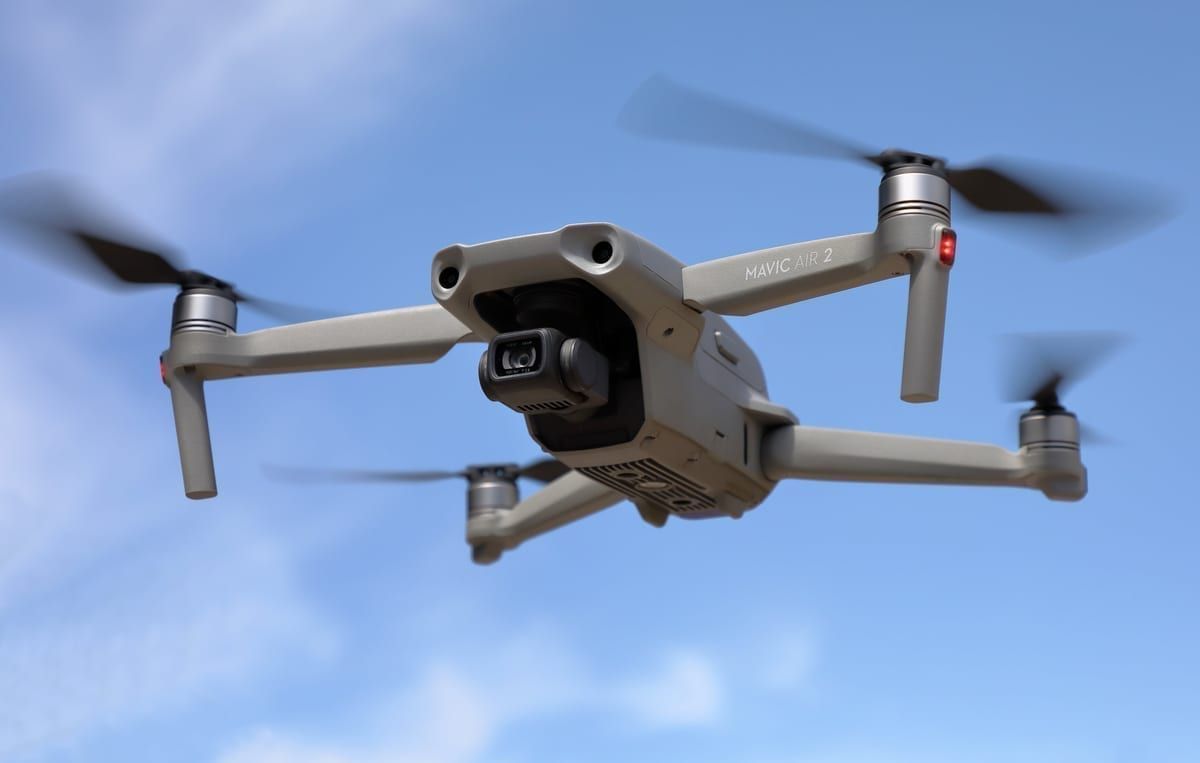
Is DJI Banned in the US? 2026 Status, Rules and FAQ
DJI isn't fully banned in the US, but new models can't get FCC approval. Here's exactly what's restricted, what's still legal, and…
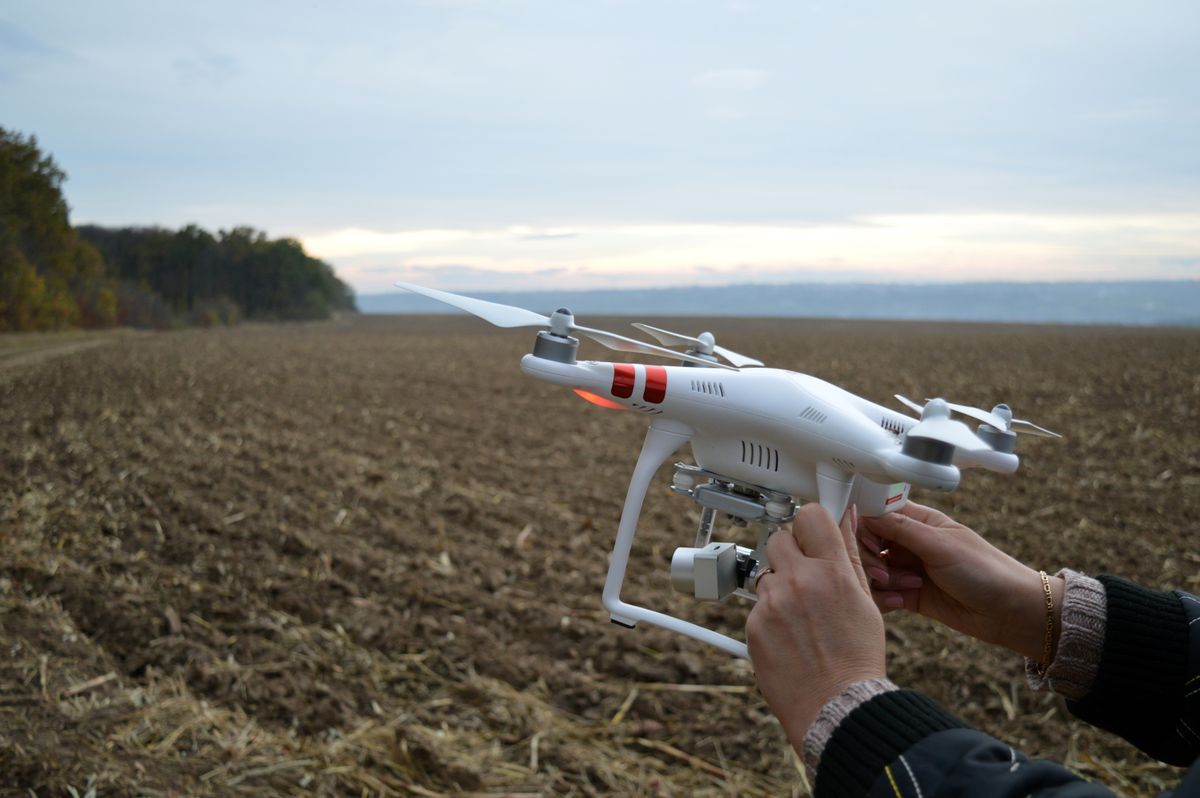
Drone Pilot Career: Salary, Jobs & Licensing in 2026
US drone pilots earn $47,000-$137,000 in 2026 depending on sector. See real salary data, the industries hiring, licensing costs, a…