DJI Reveals 25 Products Blocked by FCC Ban in 2026
DJI has disclosed, for the first time with detailed figures, the financial scale of the FCC (Federal Communications Commission) ban in the United States. In a brief filed on April 22, 2026, in the Ninth Circuit Court of Appeals, the company stated that 25 products planned for launch in 2026 are blocked from the US market, with projected losses for the year reaching $1.56 billion.
Beyond new launches, 14 already-commercialized products had their FCC authorizations revoked: five drones and nine other devices, including cameras and accessories. DJI describes the situation as "immediate and grave harm" and is asking the court for emergency injunctive relief while the main case proceeds.
What the FCC Covered List Is and Why DJI Is On It
The Covered List is a registry maintained by the FCC listing telecommunications equipment deemed a national security risk by the United States. Products on the list cannot receive new authorizations for import or sale in the country, which, in practice, shuts the American market to any new DJI model.
DJI was added to the list in 2025, based on allegations that its equipment could be used for data collection on behalf of the Chinese government. The company denies the accusations and filed suit against the FCC in the same year. The case is now before the Ninth Circuit, one of the most influential federal appellate courts in the US.
In April 2026, the Pentagon intervened in the case against DJI, stating it possessed classified intelligence justifying the ban. The Department of Defense did not disclose the contents of that intelligence, citing security restrictions.
The Numbers: 14 Revoked Authorizations and 25 Blocked Products
Until the April 22 filing, the financial impact of the ban had been described only in general terms by DJI and industry analysts. The new court brief quantifies the damages for the first time.
The company divided its losses into two groups:
- 14 existing products with revoked FCC authorizations: five drones and nine other devices (Osmo cameras, stabilizers, and accessories)
- 25 new products planned for 2026 that cannot be launched in the US
The total projected for this year is $1.56 billion in lost revenue from the American market alone. For context, DJI held more than 70% of the consumer drone market in the US before the ban, a market valued at approximately $3 billion annually.
The company argues that this cumulative harm, combined with regulatory uncertainty, provides sufficient grounds for the court to issue a preliminary injunction suspending the ban while the merits of the case are adjudicated.
Which Products Are Among the 25 Blocked
DJI did not disclose the list of 25 blocked launches. Based on the company's typical annual release cadence, industry analysts estimate the group includes:
- A direct successor to the DJI Mini 4 Pro (likely the Mini 5 Pro)
- A new generation of the Mavic line
- An update to the DJI Neo, the entry-level drone launched in 2024
- New Osmo models (action cameras and Osmo Pocket)
- Updates to the enterprise Matrice and Zenmuse lines
Two 2026 launches already made public illustrate the pattern: the DJI Lito 1 and DJI Lito X1, officially unveiled on April 23, launched in more than 80 countries, but not in the United States, where the authorization process with the FCC remains blocked.
For a full breakdown of available DJI models by category and use case, see our drone buying guide.
What This Means for Pilots Outside the US
For pilots flying outside the United States, the direct impact of this news is zero. The FCC ban is an exclusively American measure: it restricts the sale and authorization of DJI equipment in the US, with no effect on other markets.
DJI products continue to be sold normally across Europe, Latin America, Asia-Pacific, and everywhere else the company operates, with official warranty and local support through authorized distributors. Existing purchases continue to work without any software or hardware limitations. New launches arrive through standard channels, as happened with the Lito models, available globally except in the US.
There is, however, a medium-term risk worth watching. If DJI definitively loses its appeal in the Ninth Circuit, the American market stays closed. Losing $1.56 billion in a single year could pressure the company to reassess its pace of R&D investment. In a more optimistic scenario, part of that commercial effort may be redirected toward high-growth markets across Latin America, Southeast Asia, and Africa, which could potentially accelerate new product availability in those regions.
FAQ
More like this
Related Articles
Drone Pilot Guilty in CLT Runway Case: Up to 1 Year Jail
A Charlotte man faces up to a year in prison for flying a drone between two live runways at CLT — here's the federal law he broke…
Amazon Drone Noise Sparks Revolt Before 500-City Rollout
Texas residents describe Amazon delivery drones as a flying beehive as noise complaints mount ahead of its planned 500-city US exp…
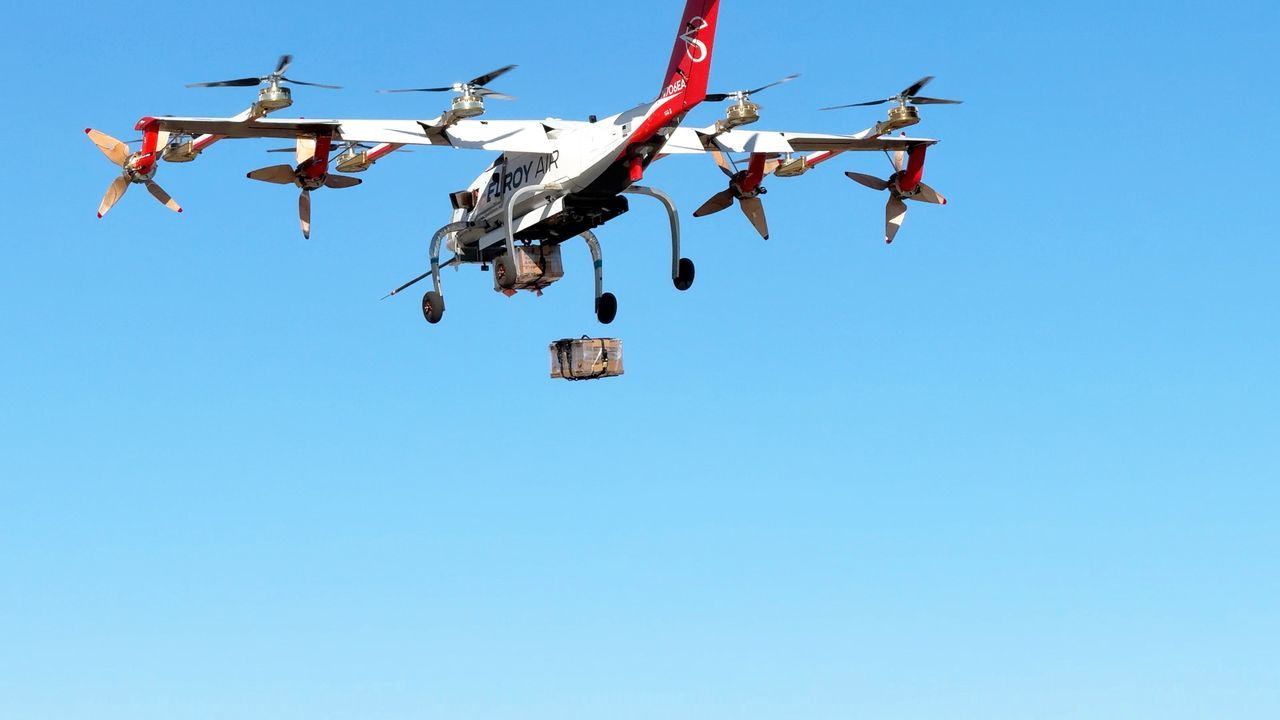
Elroy Air Boosts Funding to $175M, Lockheed Backs It
Elroy Air raised its PIPE funding to $175 million on Sept. 24, 2026, with Lockheed Martin Ventures backing the Chaparral cargo dro…