DJI Confirms Lito Drone Line Launch for April 23
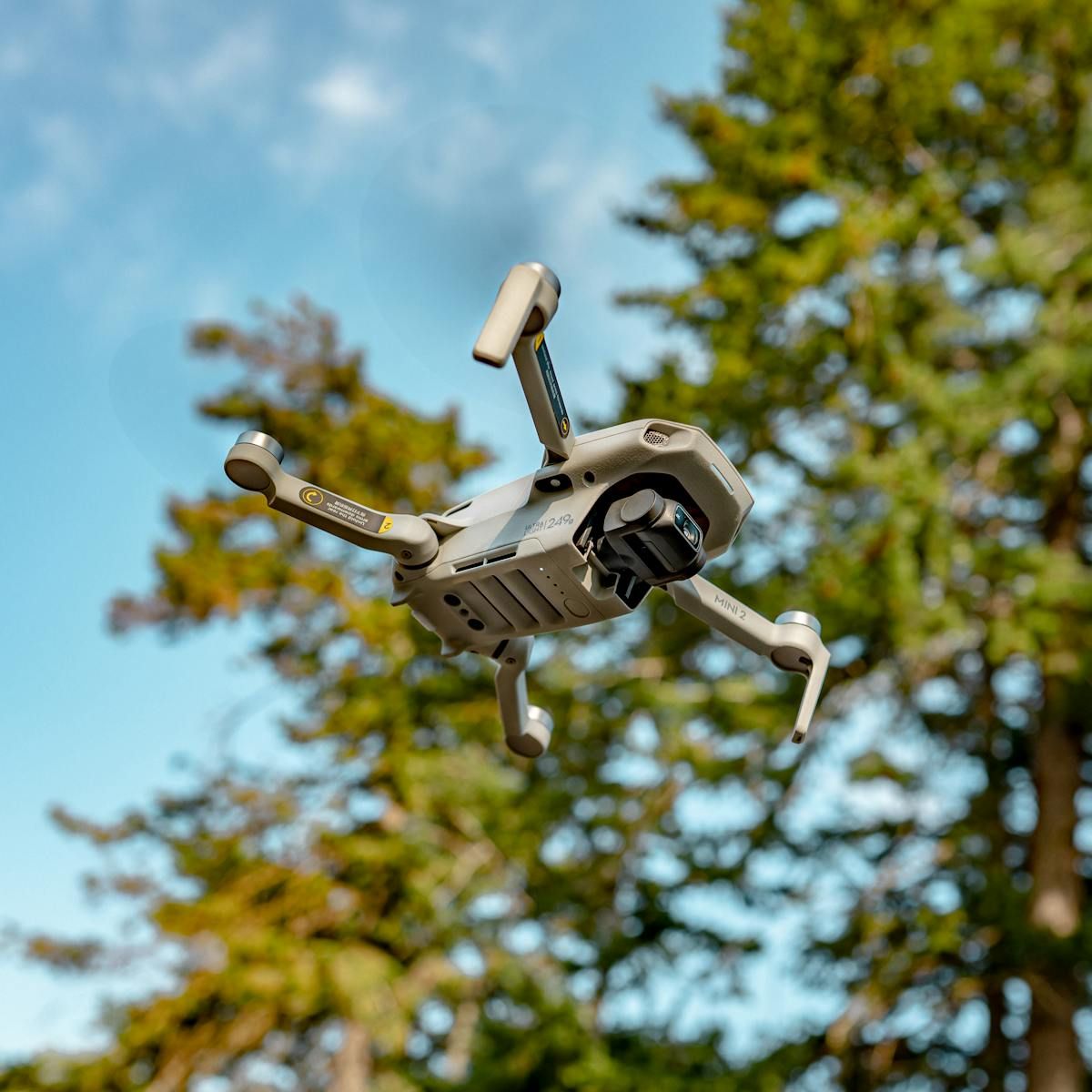
DJI officially confirmed the launch of the new Lito drone line for April 23, 2026, at 12:00 GMT. The announcement came through teasers posted on the @DJIGlobal account on X on April 14, using the hashtags #DJILito, #DJILitoX1, and #DJILito1, confirming at least two models in the new product family.
This marks the first time DJI has used the Lito name officially. Until then, information had circulated only through insider leaks and FCC (Federal Communications Commission) filings. The launch is expected to introduce at least two drones: the Lito 1, targeting the entry-level segment, and the Lito X1, a more advanced version.
For earlier coverage of the leaked images, see our article on the DJI Lito 2026 leaks.
What DJI Confirmed
The teaser published by DJI shows an animation with a letter display showing "NEW DRONE" followed by the name "Lito," accompanied by the brand's iconic tagline: "Just Fly." Beyond the April 23 date and the two models implied by the hashtags, the company revealed no specifications, prices, or final product images.
A second teaser was published by DJI for April 28, under the slogan "More than Sound," indicating an audio product, possibly a new DJI Mic, in a separate announcement. Together, the two teasers suggest the company is in an active portfolio renewal phase in Q2 2026.
As reported by DroneXL, the three hashtags used by DJI (#DJILito1, #DJILitoX1, and #DJILito) suggest a family with at least two drones and possibly a brand umbrella for the line.
Lito 1 and Lito X1: Expected Specifications
Although DJI has not released official technical data, FCC filings and insider leaks allow a reasonably clear picture of what's coming on April 23. According to T3, the most reliable pre-launch data points to:
| Spec | Lito 1 | Lito X1 |
|---|---|---|
| Weight | < 249 g | < 249 g |
| Internal storage | ~22 GB | ~42 GB |
| Flight time | up to 50 min | up to 50 min |
| Estimated price | ~$330 | ~$759 |
Both models are expected to share O5 transmission with 20 km range and omnidirectional 360° obstacle avoidance. The latter is unprecedented in sub-249g DJI drones: the Mini 4 Pro, currently the top of the lightweight lineup, has sensors only in the front, rear, and bottom directions. A 3-axis stabilized camera with 4K recording is also expected on both.
Both models should ship with two battery options: the standard battery keeps the drone under 249 g; the "Plus" battery offers extended flight time but exceeds that regulatory threshold.
All specifications above are unconfirmed and should be treated as estimates until the April 23 event.
Context: The Mini 4K Successor
The Lito line is widely seen as the successor to the DJI Mini 4K, the brand's entry-level drone that gained traction through its affordable price and sub-249g weight. With the Lito 1 at ~$330 and the Lito X1 near $759, the new family occupies the space between the DJI Neo 2, aimed at beginner content creators, and the DJI Mini 5 Pro, still awaited by the market.
As analyzed by Digital Camera World, the positioning suggests DJI is targeting content creators who need more than what the Neo 2 offers without the investment of a premium model. The 360° obstacle avoidance is the most relevant differentiator in this analysis: if the promise holds, the Lito X1 could redefine the cost-to-capability ratio for the sub-249g segment.
For a broader comparison of DJI models across categories, see our drone buying guide or the beginner's flying guide for first-time buyers.
Regulatory Impact: Sub-249g Still Matters
In most countries, the 249 g weight threshold has direct regulatory implications. In the United States, recreational flyers under this weight are exempt from FAA registration under the Exception for Recreational Flyers. In the EU, sub-250g drones fall into the C0/C1 category under the EU drone regulation framework, with significantly lighter requirements than heavier aircraft.
If the Lito 1 and Lito X1 maintain sub-249g weight with the standard battery, both models will arrive under the same regulatory conditions as the Mini 4K and Mini 4 Pro, a practical advantage for pilots who want more features without increased bureaucratic complexity.
FAQ
Sources: DroneXL | T3 | Digital Camera World
More like this
Related Articles

Drone Pilot Guilty in CLT Runway Case: Up to 1 Year Jail
A Charlotte man faces up to a year in prison for flying a drone between two live runways at CLT — here's the federal law he broke…
Amazon Drone Noise Sparks Revolt Before 500-City Rollout
Texas residents describe Amazon delivery drones as a flying beehive as noise complaints mount ahead of its planned 500-city US exp…

Elroy Air Boosts Funding to $175M, Lockheed Backs It
Elroy Air raised its PIPE funding to $175 million on Sept. 24, 2026, with Lockheed Martin Ventures backing the Chaparral cargo dro…